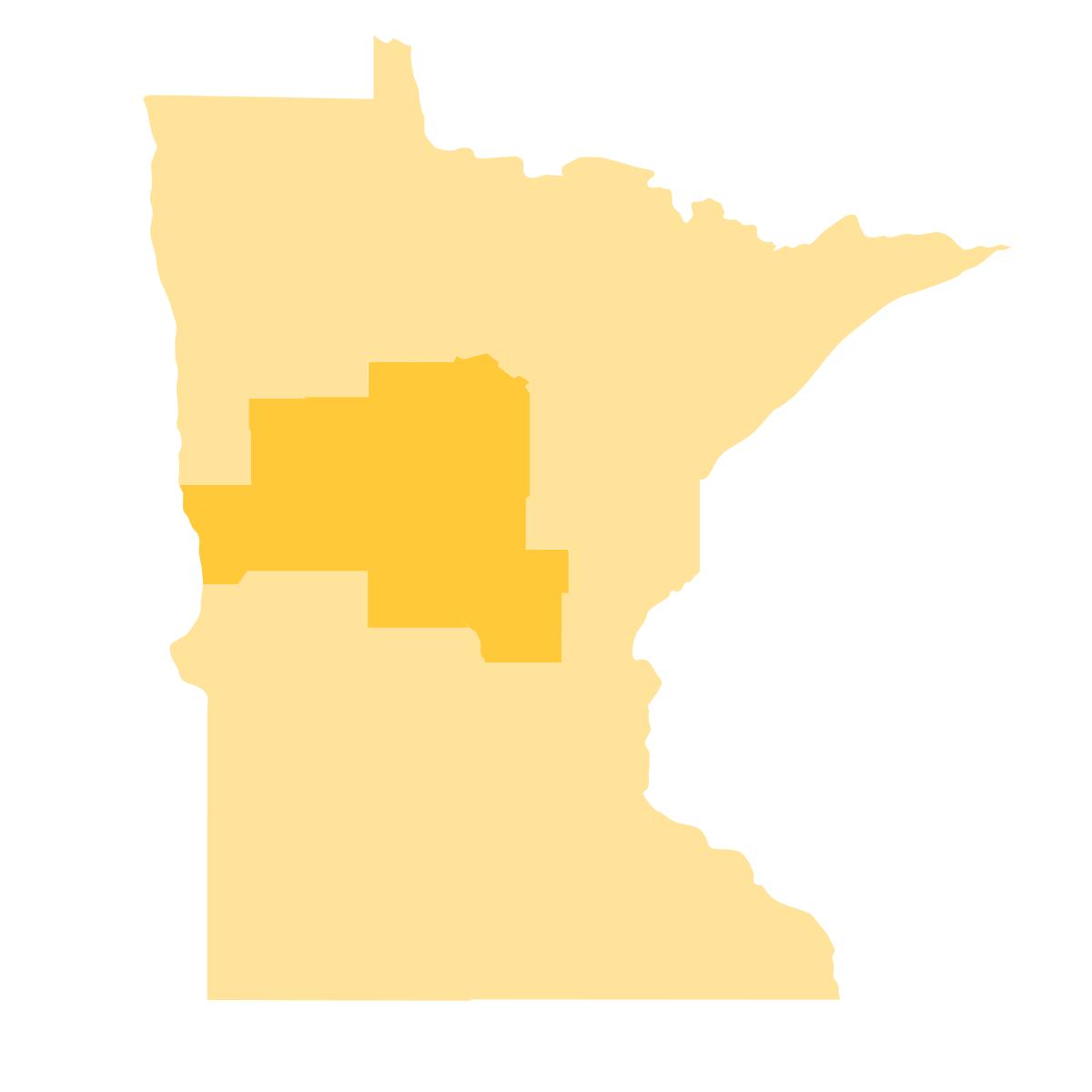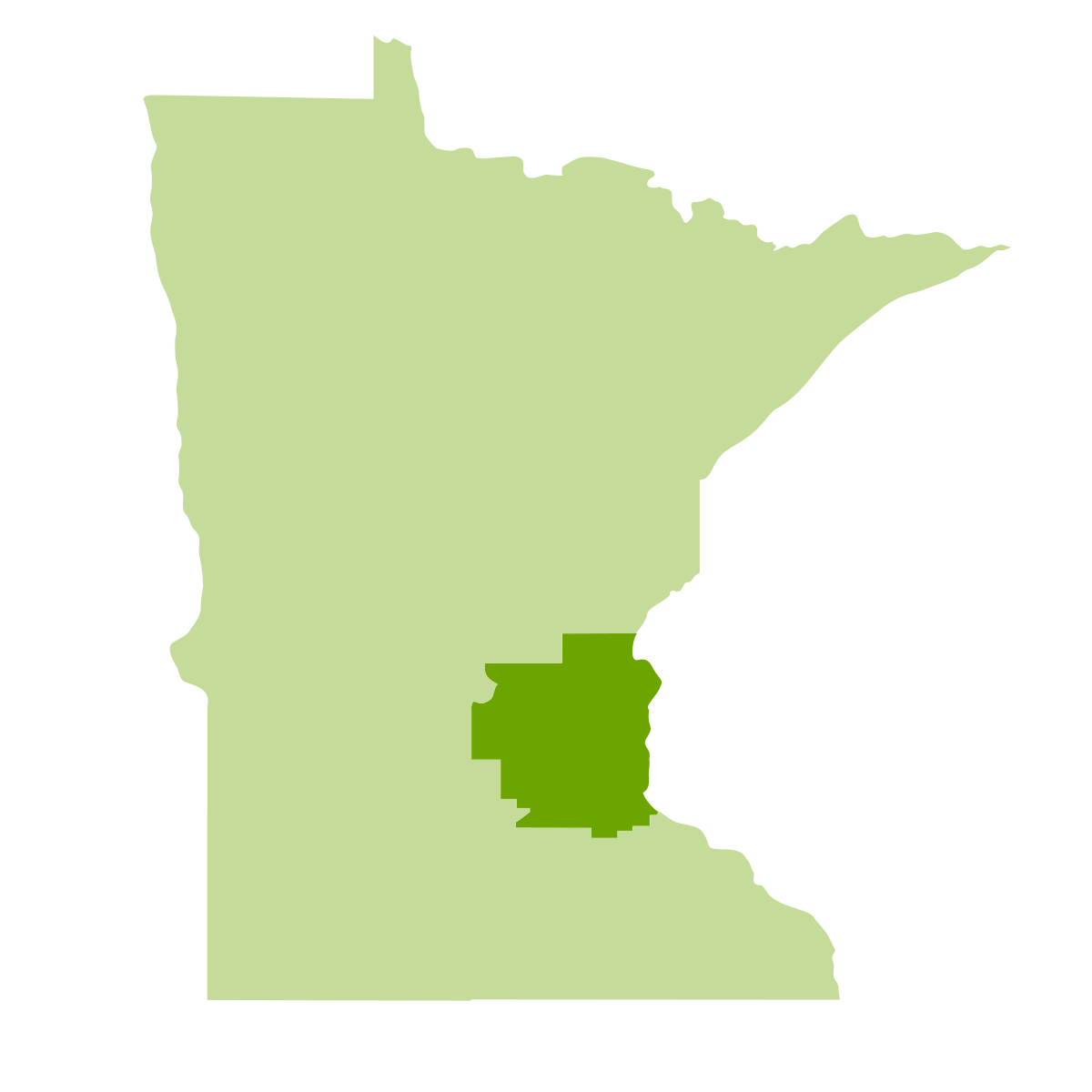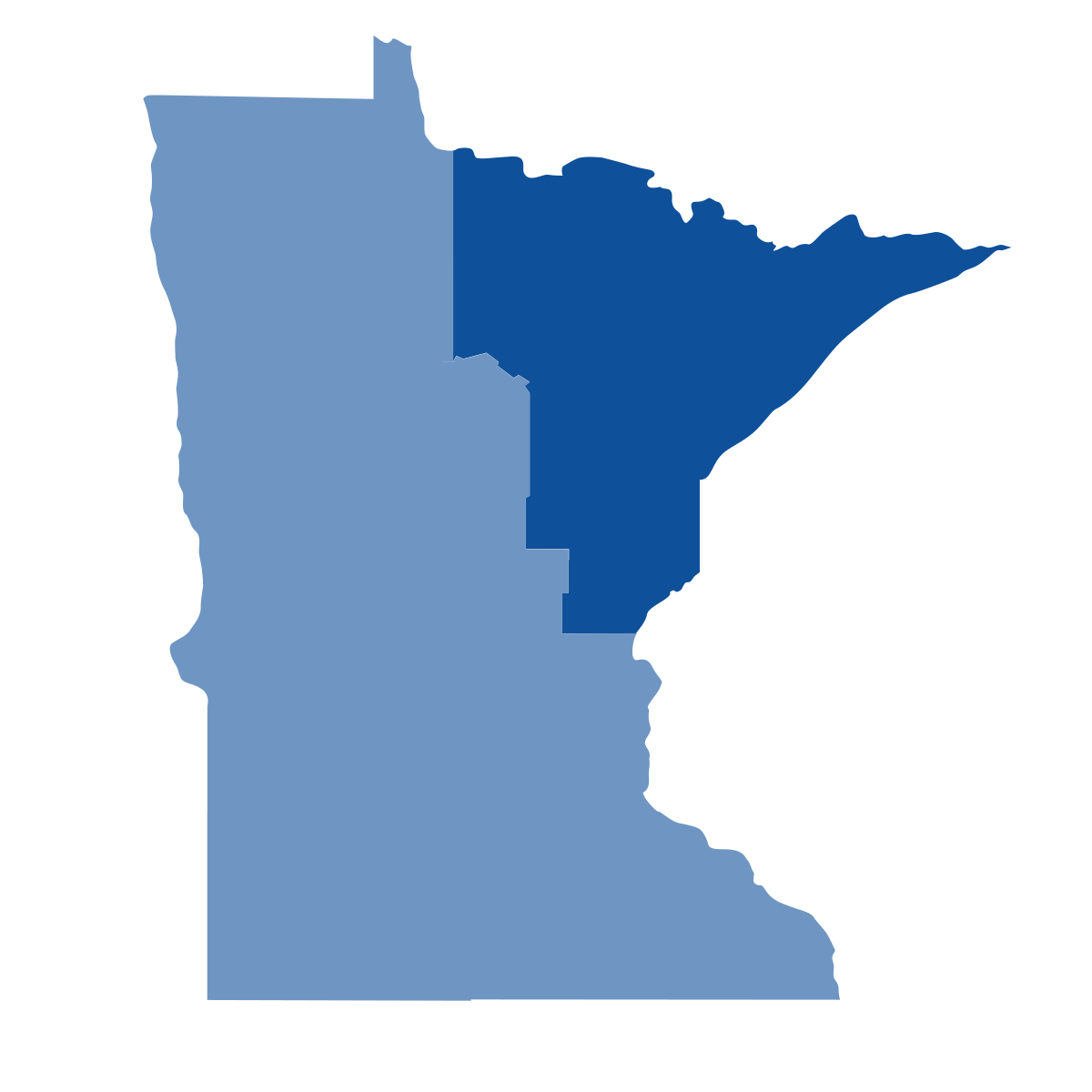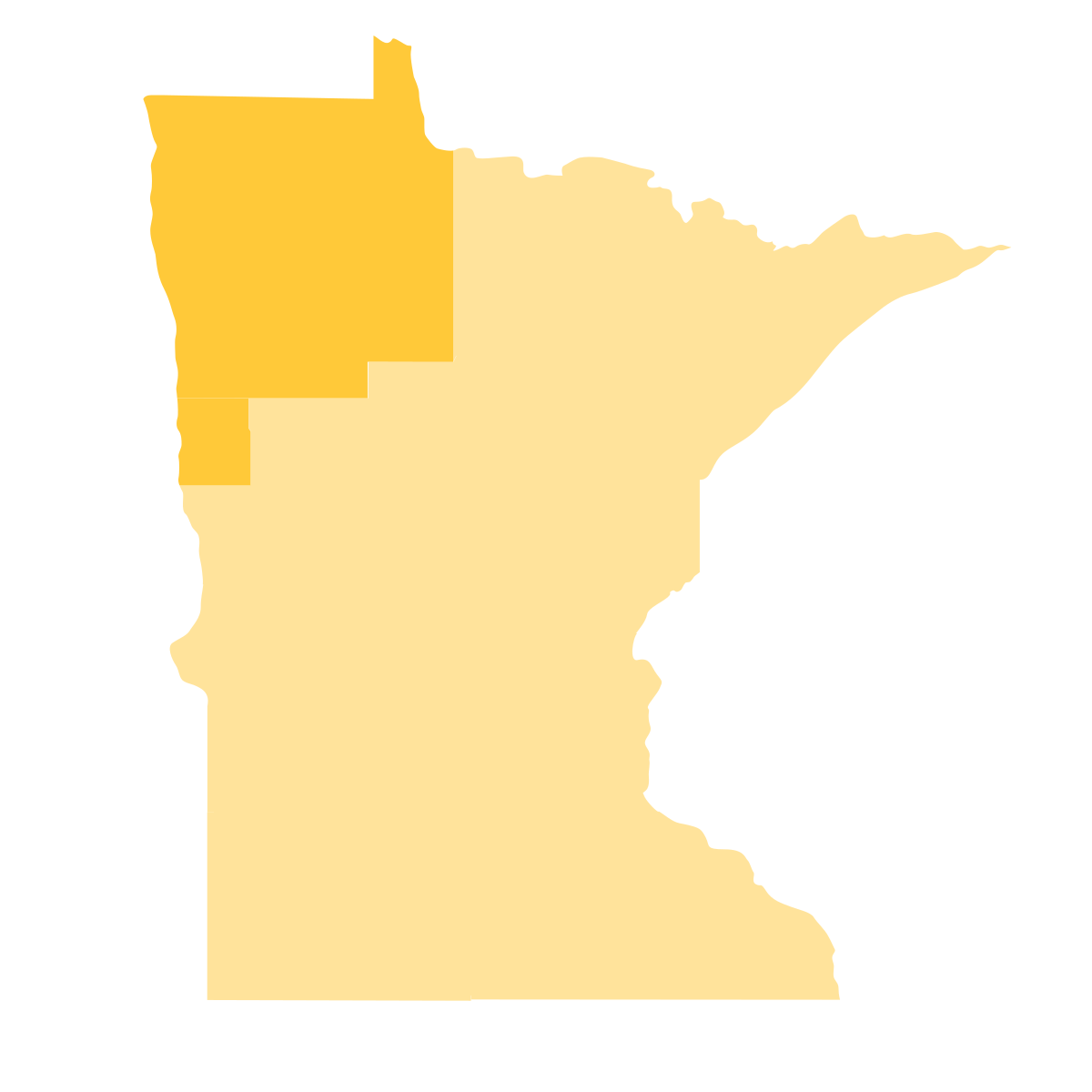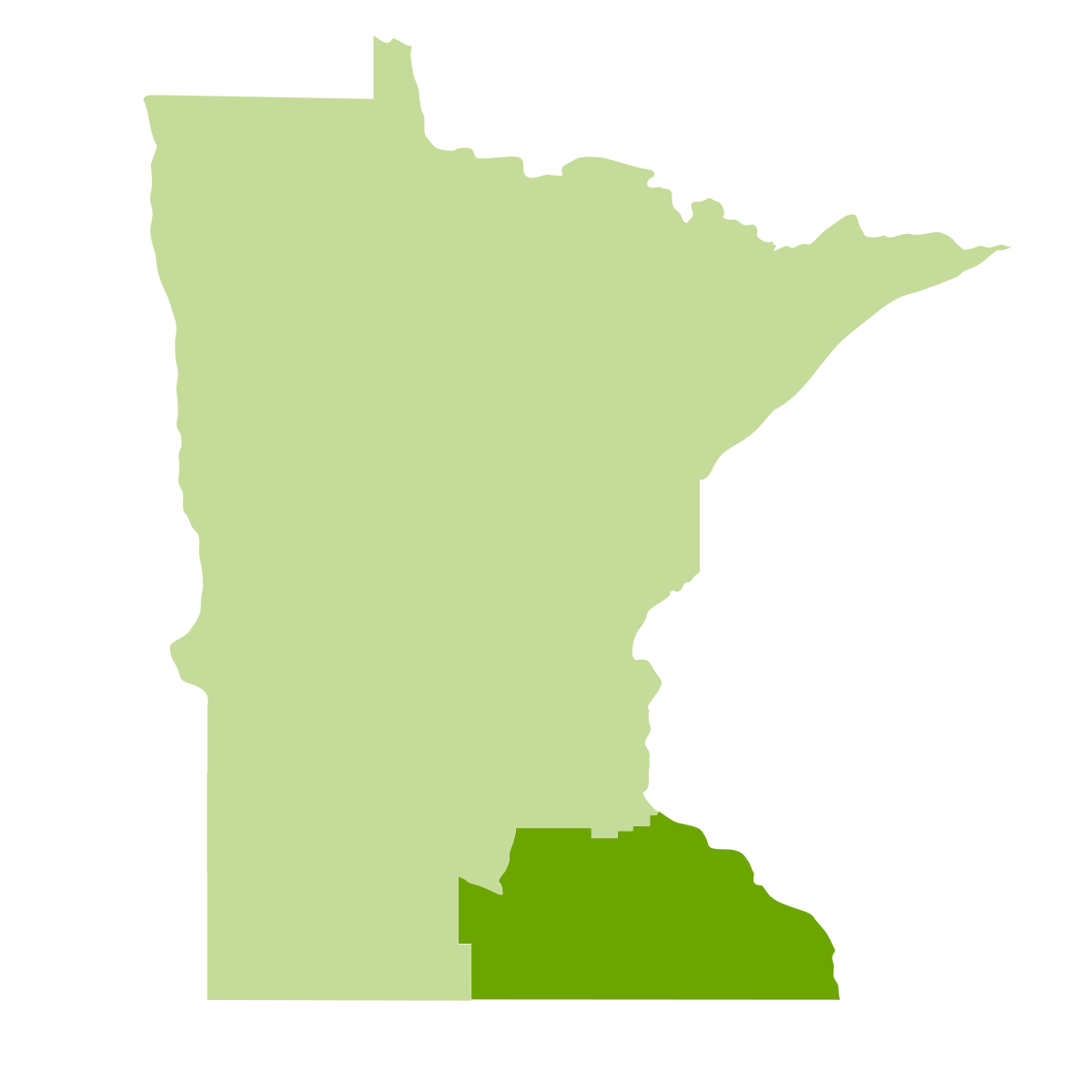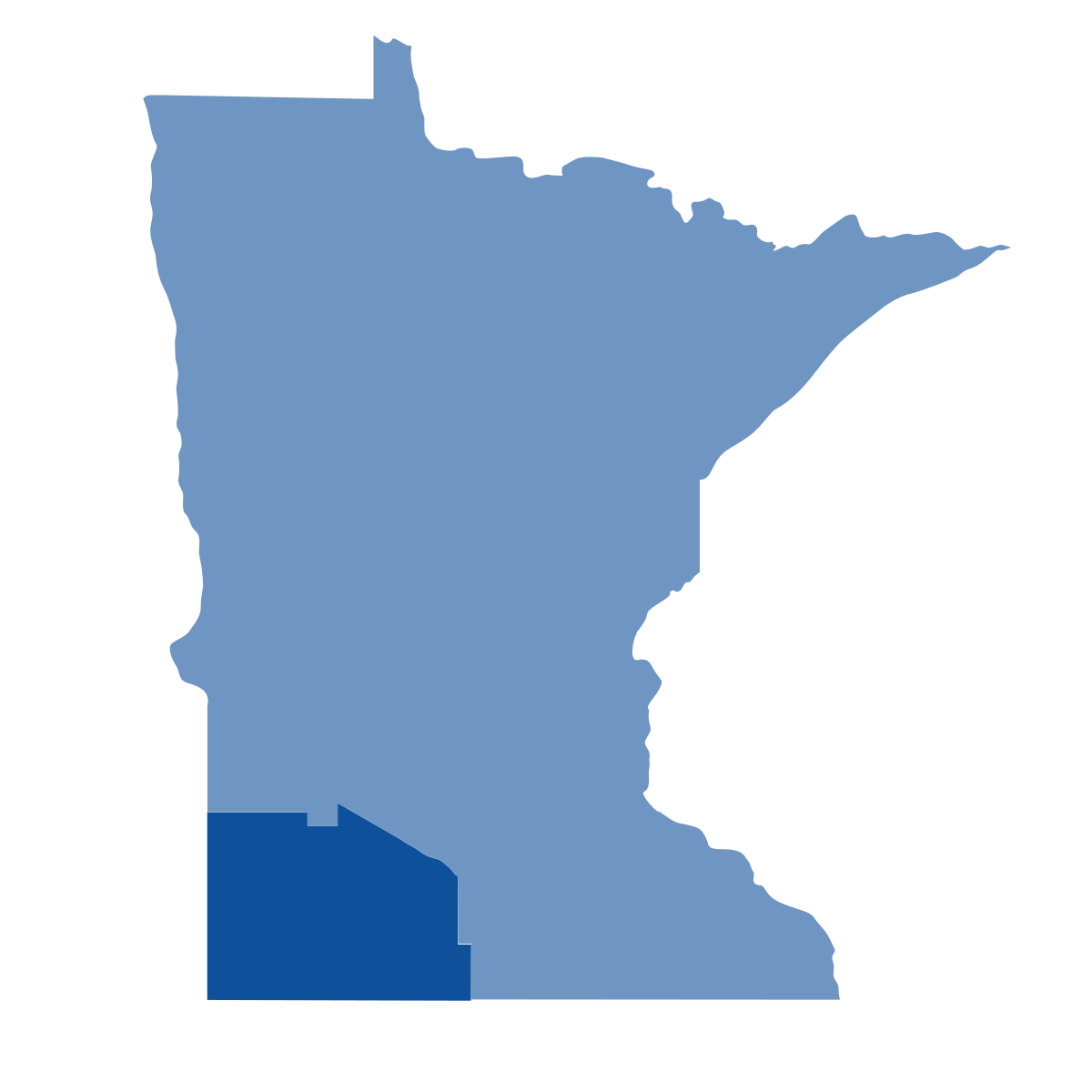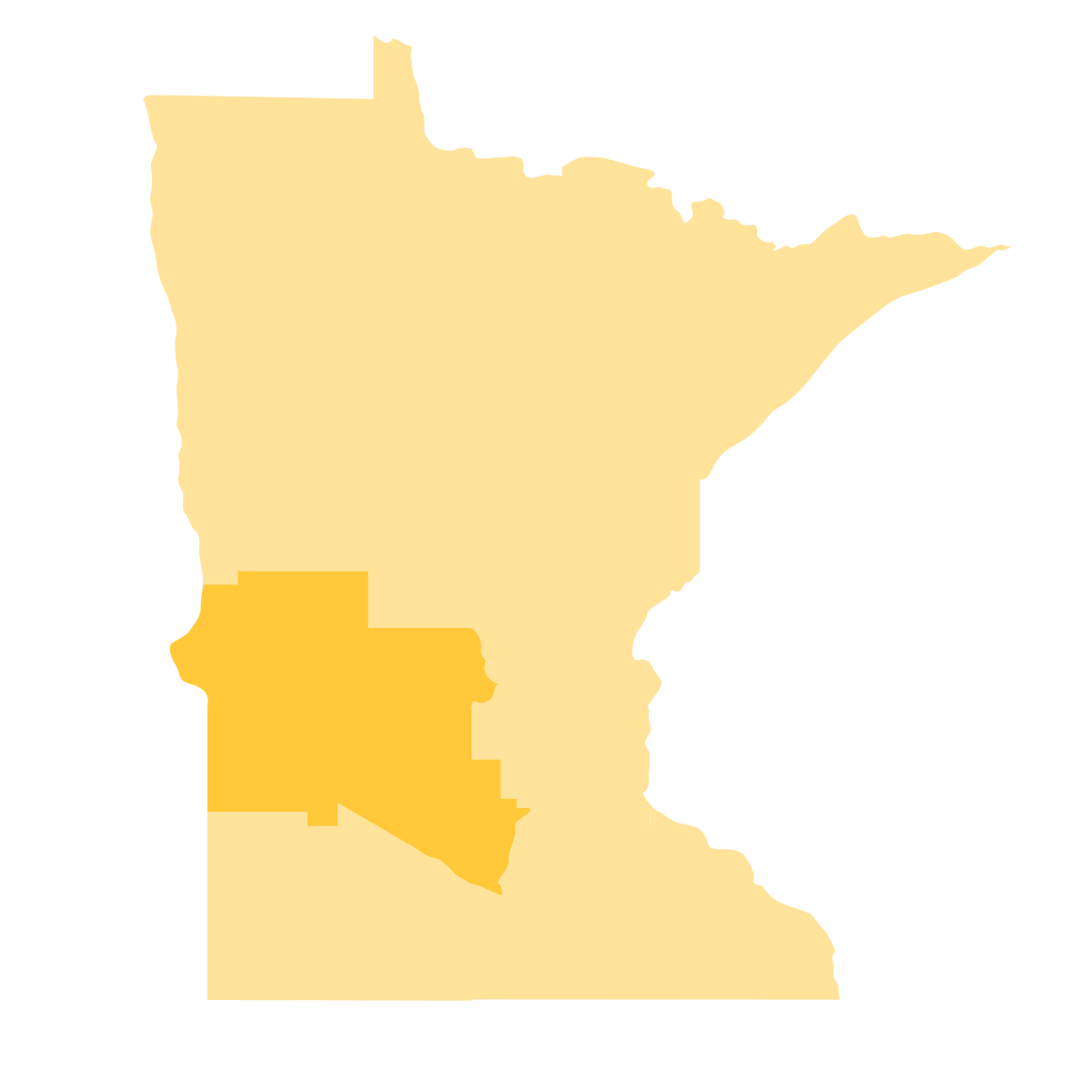
Place your cursor on a region on the map to learn more about what each region is working on, and click to visit the region's page.
Bemidji State University recently replaced their HVAC energy system and is developing a campus Greenhouse Gas Inventory; Northland Community & Technical College is undertaking wind resource testing; U of M Crookston explores the use of farm-scale biodiesel oil presses and how to make their Union Building more effieicent; Concordia Language Villages are crafting sustainability programs for middle school students; Giziibii RC&D will work with growers to assess the value of growing biomass energy crops; and Pembina Trail RC&D will research veggie oil for on-farm fuel use!
Hartley Nature Center and North Shore Community School partnered to do outreach and create energy curriculum, while Wolf Ridge ELC pursues energy sustainability initiatives and Positive Energy Outdoor (ed)Ventures gears up for a youth leadership program; Two Harbors High will install a photovoltaic array and Finland Community Center will install a geothermal system; U of M Duluth continues to conduct a wind monitoring project; and both the Proctor Earth Fair for the Future and 2008 Lake Superior Energy Fair promise to be spectacular events!
Park Rapids School Wind Energy Project has now installed a turbine and plans to share energy data with area schools and the community; RREAL worked on solar heating for low income families and will be researching solar-powered crop drying using hot air, while White Earth land Recovery Project is undertaking residential solar panel installation and training. Azariah Acres Farm is successfully heating water for livestock geothermally, and EcoDomes is now powering their fleet on used fryer oil!
Kandiyohi County implemented several small wind projects; Murdoch School just finished an efficiency study, and the Greater Milan Initiative will conduct energy planning for the Milan School Project; Prairie Woods ELC gear up to be totally renewably powered with upcoming solar installations, and the Willmar Youth Energy Summit team will build a community greenhouse; and MN Valley Alfalfa Producers Co-op is undertaking biomass research and commercialization, while the Pope SWCD tests hybrid poplars as a woody biomass feedstock
In 2007, the Metro Clean Energy Resource Teams (CERTs) Network was created to help connect, provide support for, and increase the effectiveness of local efforts to implement community-scale energy efficiency and clean energy projects. The Metro CERTs Network is coordinated by The Green Institute.
Southwest Regional Development Commission recently conducted an extensive biodiesel survey for county fleets; Redwood County is excited to work toward energy independence; Sleepy Eye’s historic train depot will get new efficient windows; and the SW CERT will help offset costs for energy audits required of those applying for USDA 9006 Energy Efficiency program.
Winona high school students took to the streets with a community-wide conservation initiative, and are getting ready to create a solar classroom, as are those at Northfield ARTech; Three Rivers RC&D conducted community education on ethanol; Dream Acres Farm designed and built the first solar-powered certified kitchen in Minnesota, while the Prairie Sustainable Bioenergy Project prepares to study the impact of growing prairie grass on formerly tilled land; and the Southeast Minnesota Renewable Energy Fair promises to be quite the event!
There are Clean Energy Resource Teams in each of seven Minnesota regions: Central, Metro, Northeast, Northwest, Southeast, Southwest, and West Central. Use this section of the site to learn more about each region and how you can get involved.
CERTs is your opportunity to play a role in shaping energy conservation and renewable energy implementation for your region of Minnesota. By relying more on community-scale renewable energy resources and energy conservation, communities can help prevent pollution and create local economic development opportunities.
Each region has a team, a coordinator, and a steering committee. The regional teams are diverse—individuals, small business owners, farmers, members of environmental groups, local utility representatives, local, state and federal government staff and elected leaders, academics—and all share common goals and values. These teams account for more than 1,100 individuals who participate in CERT meetings and educational forums, and volunteer thousands of hours to the CERTs project.
In 2005, before projects began, Regional Strategic Clean Energy Plans were created in each of the six Greater Minnesota CERT regions. These plans guided priorities and led to multiple clean energy projects in each region. Strategic Plans, along with current project details, past project case studies, and regional meeting notes and presentations, can all be found on the regional pages.