Fired up about an electric fire engine!

April 2026

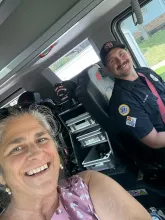
Diana McKeown and Bryan SullivanI had a chance to sit down with Bryan Sullivan, a Fire Equipment Operator (FEO) and Chair of the Apparatus Committee for the SPFD, to learn more about the new electric rig. He shared the story of how they got the electric engine, reactions from the firefighters, and some of the ancillary benefits.  

On November 15, 2024, the Saint Paul Fire Department (SPFD) was the first fire department in Minnesota to purchase and put into service an electric fire engine!

As the daughter of a former Saint Paul firefighter, who grew up on the East Side of Saint Paul where the new electric fire engine is housed, this story was very special for me to write. 
How it started

The Saint Paul Fire Department was first introduced to the idea of an electric fire engine way back in early 2020. Rosenbauer, a fire engine manufacturer, offered to bring their new model, the RTX (Revolutionary Technology EXperience), down from their factory in Wyoming, MN.

“They brought one down, and we drove it around and liked it,” says Sullivan. “We brought it to training, showed the capabilities, and the Fire Chief and Mayor were sold.” By March of 2023 the City of Saint Paul and the SPFD announced they had purchased the RTX with an expected delivery in 2025. 

Adjusting to the rig

There were some pretty big differences between the RTX electric rig and a conventional diesel-powered one. So much so that the nearly 90 Fire Equipment Operators (FEOs) in the SPFD needed new training to adjust to the RTX.

Sullivan got feedback from other fire departments that were incorporating electric rigs — including Los Angeles, Vancouver, and Boulder, CO — to help him develop the training for the SPFD. Now, nearly all FEOs have completed the training on the Rosenbauer RTX.

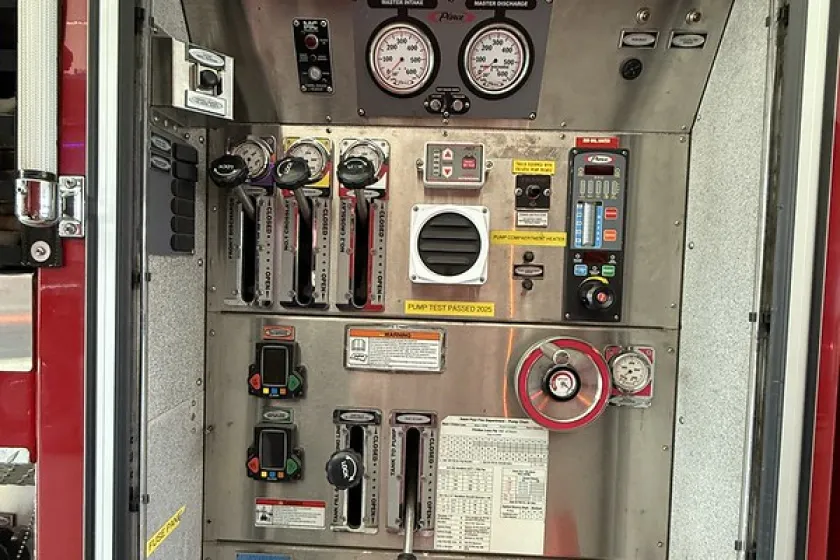
manual pump panel

Manual pump panel

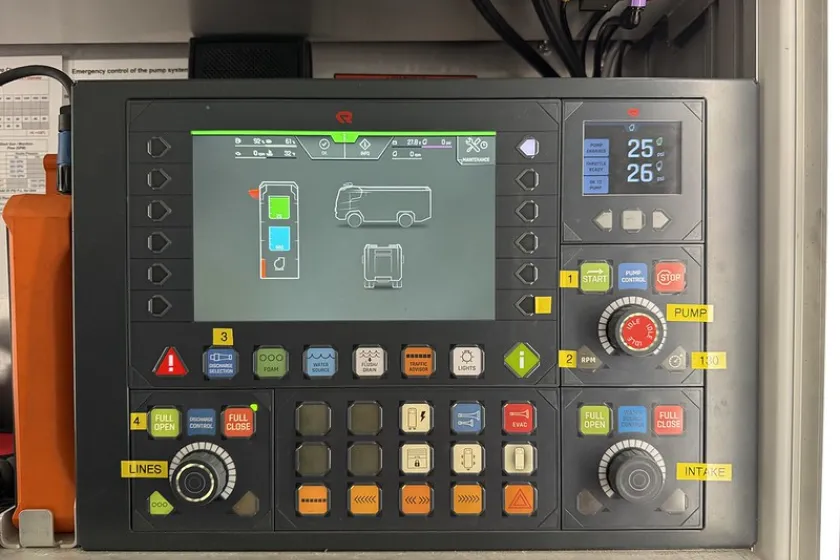
Electronic pump panel

Electronic pump panel

One of the main differences, beyond being electric-powered, is that the truck is also completely electronic — including the pump panels. While the firefighters are used to the manual controls on the diesel rigs, the touch screen serves the same purpose, and in a simpler way. Sullivan notes that he and others have begun to prefer the electronic pump panel the more he has been able to use it.

Barring some initial reluctance from the FEOs as they adjusted to the many differences, many have really warmed up to it. The engine has a lot of capabilities and functions, and many have noted that the cool factor is definitely a thing: “It drives like a Mercedes compared to our regular rigs,” Sullivan says. “It has all-wheel drive and a dual-motor traction drive system and can handle the potholes. The torque makes it easier to maneuver quickly through traffic. The engine is super responsive, and the steering and suspension are second to none. Honestly, it drives better than any other rig!”
 

About the truck

The electric engine costs more upfront than a traditional engine, but Sullivan explaines that they will save on that premium over time through reduced fuel and maintenance costs. 

A standard new fire engine costs between $800,000 and $1 million; the electric engine was $1.8 million. But without the diesel engine, a much simpler drivetrain is in place which requires less routine maintenance like oil changes and less maintenance overall (the rig has regenerative braking which extends the brake life, for example). It means the engine needs less routine servicing and less time away from service! And the SPFD won’t need to deal with highly fluctuating diesel costs to fuel the engine.

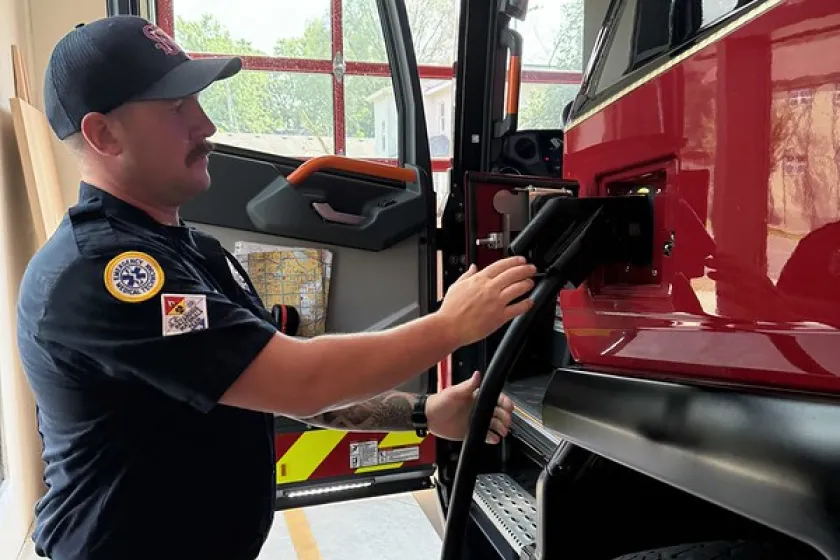
The battery typically lasts about 60 to 80 miles before the back-up diesel generator switches on. (The diesel also engages when there is 25% battery left while pumping, 20% while driving, and 15% while idling. They can also switch to diesel manually.) And to power the rig, the station installed a high voltage charging system to charge the truck’s 650 kW lithium ion battery, plus the 24-volt battery system for the other electronics on the rig. 

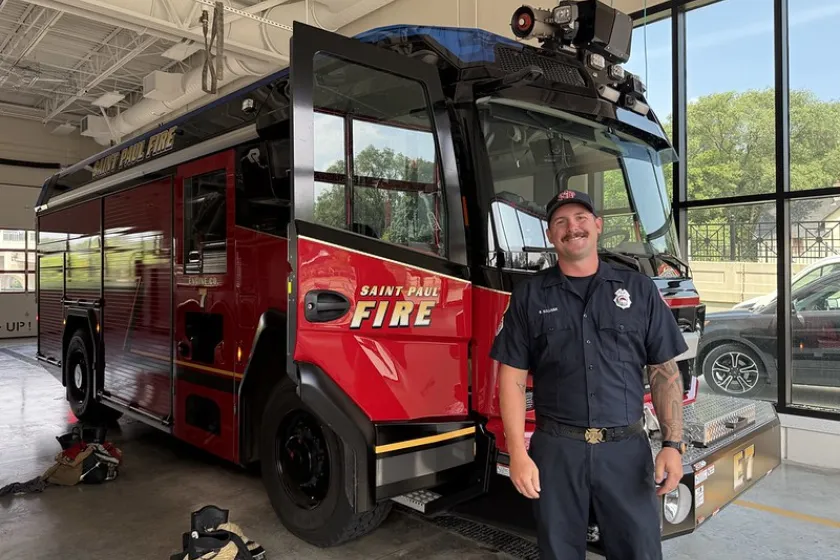
Sullivan standing in front of the truck
Sullivan charging the truck
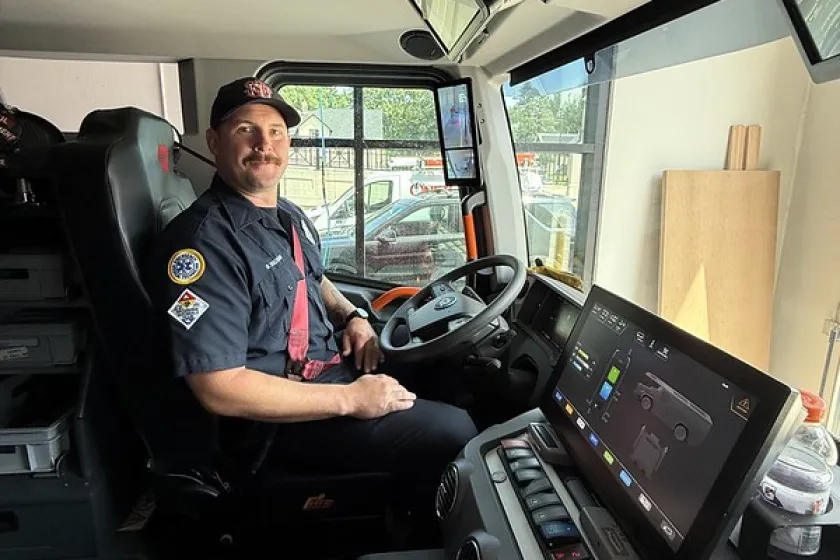
Sullivan inside the truck

Benefits

Beyond the expectation of saving money on fuel and maintenance, the new electric fire engine is also an upgrade when it comes to fighting fires! With a standard engine, you can either use the transmission or a fire pump; you can’t do both. The electric engine however can spray out of the deck gun while the engine is still moving, which allows FEOs to get an initial water attack to get a handle on a house or car fire quickly, saving lives and property. 

When asked what the biggest ancillary benefit is, Sullivan immediately says the quiet engine. The loud diesel engines make it hard to hear the other firefighters and add stress because of the noise. 

Russ Stark, the former chief resilience officer for the City of Saint Paul, has lots of reasons to love it too:

“Engine 7 has been a great addition to the City fleet not only because it helps us reach our climate goals but because operationally it’s a better truck — quieter, easier to maneuver, narrower so it can fit into tighter spaces, and it can start pumping water faster when it arrives on the scene of a fire. On a typical rig, our firefighters spend a lot of time breathing the truck’s diesel emissions when on the scene of an incident and trying to yell to each other over the loud roar of the engine. Electric fire trucks are better and healthier for firefighters, for our community, and they help slow climate change.”

And while the City of Saint Paul was the first city in Minnesota to get an electric fire engine, it has already proven it will not be the last! The City of Roseville unveiled their first electric engine in October 2025. And, funded in part through a grant from the Minnesota Pollution Reduction Agency, Saint Paul has already ordered their second RTX model, which should be out on the streets fighting fires and saving lives by May 2027. 

Sign up for Energy Stories

We encourage reuse and republishing of this story. All Clean Energy Resource Teams stories are made available under the Creative Commons Attribution license, meaning you can share and adapt the work as long as you give us credit. We'd also love it if you link back to the original piece. Have questions or want to chat? Drop us a line.