 Twenty-one years ago, Gina Cooper moved to Lake Crystal because it was a walkable town, with two schools, a library, and a grocery store. "And the people," Cooper did not forget to mention, "make this town special."
Cooper is wrapping up her final term on the Lake Crystal City Council after nearly 14 years. This community of 2,500 in southern Minnesota is showing how saving money and energy can start by asking for help.
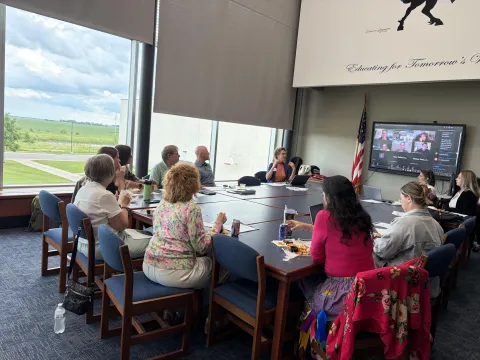
Flipping the lights on in Lake Crystal costs more than almost anywhere else in Minnesota running 2.77 times higher than the national average. The council has been seeking solutions to this and other energy issues in town by teaming up with University of Minnesota (UMN) researchers to develop the Lake Crystal Local Energy Action Plan.
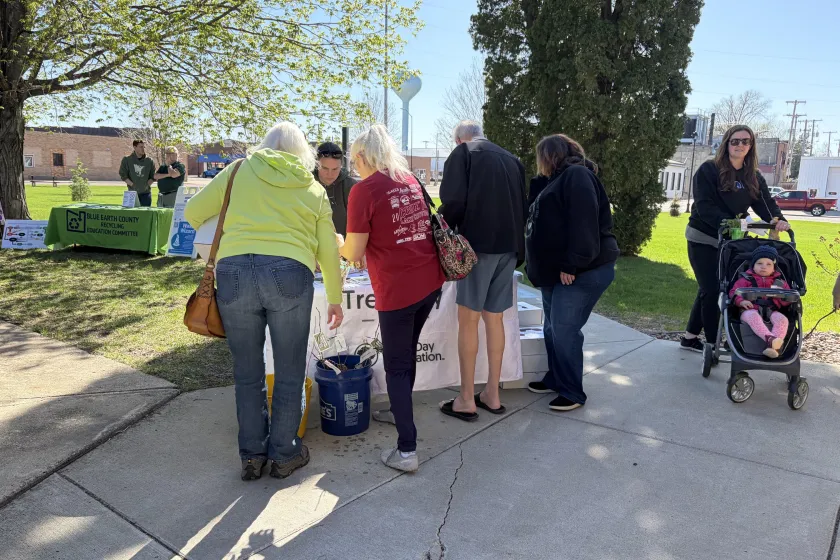
Empowered with information, the Public Utility Commission (PUC) is moving toward decommissioning the municipal power plant, improving energy literacy through public outreach, and starting to plan for their next energy contract.
"Nonpartisan local government is alive and healthy," Cooper says. "The council members come together for the good of the community, and it's really wonderful to say that."
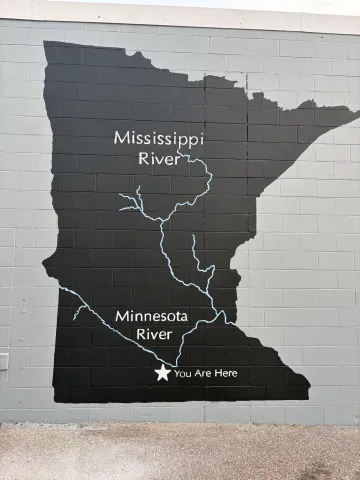
Photo: Painting the Lake Crystal Watershed mural.
 Part of their research looked into whether the City could leave the 40-year power contract that locked in the high rates. The hard answer was no.

 “Small communities don’t always have the staff, time, or resources to figure all of this out on their own.” Lindahl says, “Connecting them with the right people, resources, and opportunities can make a real difference. Lake Crystal is a great example of what can happen when a community has the support it needs to take action.”