An electricity cooperative, or co-op, is a utility owned by the people it serves. Members help guide how the co-op is run, and the focus is on serving the needs of the community. Across Minnesota, electric cooperatives play an essential role in delivering reliable and affordable power to rural communities. Many also offer special programs that reward members for shifting when and how they use electricity.
In the Northland, sophisticated load control programs are popular offerings featured by an electric cooperative serving portions of 8 rural counties. Lake Country Power has the largest service territory of any electric cooperative in Minnesota, with more than 8,200 miles of distribution lines within 10,872 square miles. Forty-four percent (44%) of their members save money by participating in one or more of their load management programs.
“Lake Country Power helps our members to save money and use electricity more efficiently through a wide variety of energy-efficiency and load-management programs,” says Monique Sandquist, manager of member services with Lake Country Power. “We offer off-peak options for home heating, water heating, and EV charging, along with dual fuel heating options, cycled air conditions, and a special rate for air-source heat pumps.”
When demand is high, prices typically increase. For instance, gas prices go up during the summer months when families are traveling. In the same way, wholesale electricity is expensive during peak hours.
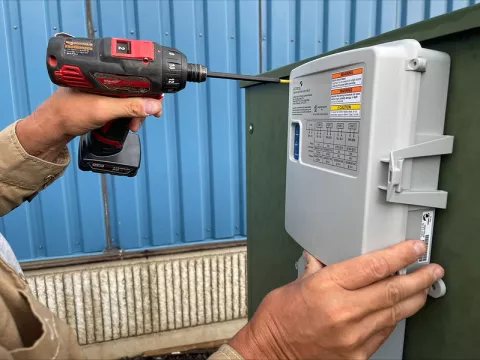 Load management rates are about half the cost of general service rates for members, which can represent significant savings. The cooperative also features three different seasonal rates reflecting their costs which differ throughout the year, with the highest occurring in summertime.